
Mold Design & Tooling
Mold design, DFM and mold flow analysis before a single steel block is cut — so the tool is decided on the drawing, not rebuilt after the first shot.
Four checks before steel is cut
- 01
Parting line and gate position
A cosmetic surface loses to a late gate change. Both are fixed on the drawing before any steel is cut.
- 02
Cooling layout
Circuit pitch and distance to the cavity decide cycle time and where sink marks appear.
- 03
Shrinkage and warpage
Resin grade sets the shrink allowance; the part's flatness requirement decides whether a fixture is needed.
- 04
Ejection and slides
Undercuts are resolved as sliders or lifter blocks at design stage, not improvised during fitting.
The grade follows the resin, not the budget alone
- P20 / 718HGeneral housings and large covers where polish is moderate
- NAK80Visible surfaces that need a fine, even texture
- S136Corrosive or medical-grade resins, and clear parts
- H13High-volume tools where wear of the gate area dominates
Insert layout, hardness and polish level are confirmed with the drawing review, so a corrosive resin does not force a polish-out later.
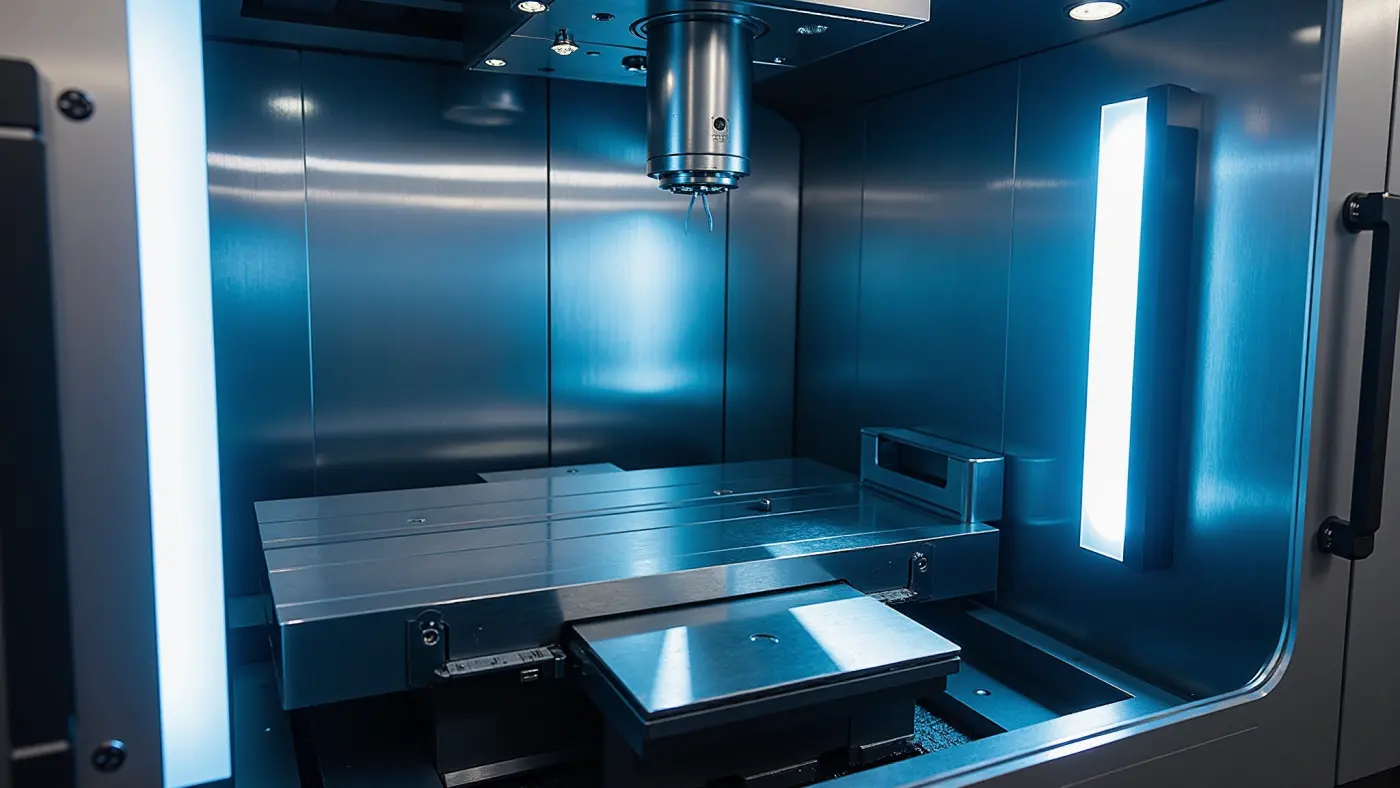
Design and tooling stay with one team: the drawing that clears DFM is the drawing that gets machined
What you receive with the tool
3D mold design and 2D part drawing review
Issued for approval before machining
DFM and mold flow study
Gate, cooling and warpage findings on record
Mold, spare inserts and process sheet
Handed over with the tool on request
Send the part drawing and the target resin. A DFM note and a tooling scope come back on the same thread — no separate design house in between.
Send drawingsSee a tooling caseDesign review before the first cut
One team carries the drawing from DFM to the finished mold.